
What is Project Controls in Construction?
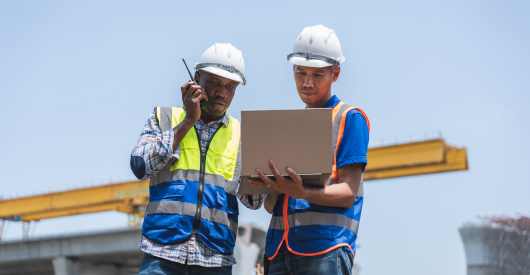
Project controls in construction play a vital role by helping teams plan, monitor, and manage costs, schedules, and performance.
They serve as the backbone of every successful project, ensuring that time, money, and resources are used efficiently. Without strong controls, projects often face delays and overruns.
In fact, a global study of more than 500 capital projects found that costs ran 79% above estimates, while schedules slipped by 52%.
As construction projects become larger and more complex, strong project controls are more important than ever.
They help general contractors and owners stay transparent, manage risks, and make smarter decisions.
With the right systems in place, teams can track progress clearly and keep projects running smoothly.
In the next sections, we’ll look at how effective project controls make construction projects more predictable and profitable.
What is Project Controls in Construction?
Project controls refer to the people, processes, and systems used to plan, monitor, and manage a construction project’s cost, schedule, and performance throughout its lifecycle.
They act as the analytical and governance framework that keeps projects aligned with their original goals, helping teams anticipate risks and respond before issues escalate.
In construction, project controls cover five key areas:
- Scope management – defining and maintaining what’s included in the project.
- Cost management – estimating, budgeting, and controlling expenses.
- Schedule management – tracking timelines and milestones.
- Risk management – identifying and mitigating uncertainties.
- Change management – documenting and approving any deviations from plan.
Moreover, modern construction user management software and capital project management systems integrate these controls into a unified dashboard, offering real-time visibility, audit-ready documentation, and stronger compliance across all project stages.
You can also read: 5 Things General Contractors Can Do Today To Reduce Stress.
Types of Project Controls
Project controls in construction generally fall into two main categories: technical and managerial.
Both are essential for keeping projects on time, within budget, and aligned with their goals, but they serve different purposes.
-
Technical Project Controls
They deal with measurable data such as estimating, scheduling, forecasting, and performance tracking.
Moreover, they ensure that resources are used efficiently and that progress aligns with the project plan.
By focusing on numbers and analytics, these controls help project teams detect risks early and make informed decisions.
-
Managerial Project Controls
They focus on people, communication, and governance. They include approval workflows, documentation, and coordination among stakeholders.
These controls ensure accountability, transparency, and consistent decision-making across all project phases.
When applied together, technical and managerial controls create a balanced framework for effective construction management.
Additionally, they establish clarity, improve collaboration, and strengthen oversight, forming the foundation for the specific elements that drive accountability and performance in modern projects.
6 Core Elements of Project Controls in Construction
1. Project Planning and Scheduling
Project planning and scheduling create the roadmap for a construction project. They define the scope, order of tasks, and major milestones that guide each stage of work.
A clear schedule keeps everyone aligned and ensures that resources are used efficiently.
However, studies show that about 15% of construction activities happen out of order, which can make projects take 33% longer and cost 25% more.
Thus, good planning and regular tracking help keep work on time and within budget.
2. Cost Management
Cost management helps control a project’s budget from start to finish. It includes estimating, budgeting, tracking, and forecasting expenses.
This process gives project teams visibility into where money is being spent and helps spot problems early.
According to data, rework alone can make up 12% of total project costs, and sometimes reach 20%. Careful monitoring ensures the project stays profitable and on budget.
You can also read:
3. Risk Management
Risk management focuses on identifying and handling potential problems that could impact cost, schedule, or quality.
Moreover, these risks include issues like material shortages, safety concerns, or unexpected site conditions.
The CII Mega-Project Studies found that weak risk control is one of the main reasons projects go over budget and fall behind. Managing risks early helps prevent bigger problems later.
4. Change Management
Change management handles any updates to project plans, such as scope changes or design revisions. Each change must be documented, reviewed, and approved to avoid confusion or disputes.
The CII Mega-Project Studies also show that poorly managed changes often lead to cost overruns and delays. Clear communication and structured approval processes help keep everyone on the same page.
You can also read:
5. Performance Monitoring and Reporting
Performance monitoring tracks progress using key performance indicators (KPIs) like cost, schedule, and quality.
Regular reports and dashboards help teams identify issues early and make quick adjustments, keeping projects on track.
6. Information and Communication Management
Strong communication and data sharing are key to project success.
Centralized documentation and RFI tracking software ensure that contractors, subcontractors, and owners have access to accurate information. This prevents confusion, reduces delays, and improves collaboration.
You can also read: 4 Ways Construction Technology Transforms Project Collaboration.
Why Do Project Controls in Construction Matter?
Project controls play a key role in keeping construction projects predictable, accountable, and efficient. They give project teams the structure and visibility needed to stay organized from start to finish.
According to the CII Mega-Project Studies, 64% of large projects run over budget, with costs averaging 59% higher than planned. This shows how crucial strong controls are in avoiding financial risks.
In many ways, project controls work like a navigation system. They help project managers stay informed, guide teams through unexpected challenges, and ensure that every part of the project moves in the right direction.
Moreover, effective controls improve communication between contractors, subcontractors, and owners. They also help manage funding, track progress, and maintain accountability in one unified system.
When done well, project controls bring clarity, stability, and confidence to every construction project.
Benefits of Construction Project Controls
Strong project controls help reduce rework, delays, and costly disputes. They give project teams the insight needed to make better decisions and improve forecasting accuracy.
According to the Dodge Construction Network, companies that use digital construction tools deliver projects 30% faster and experience fewer schedule delays.
In practice, project controls support efficiency across all areas of construction.
For example, automated pay applications and AIA invoicing speed up approvals and payments. Digital lien waiver management helps maintain compliance and transparency.
Additionally, centralized data storage creates a clear audit trail that builds trust between contractors, subcontractors, and owners.
Together, these benefits make projects smoother, more reliable, and easier to manage from start to finish.
Who Manages Project Controls in Construction?
The responsibility for project controls depends on the project’s size and complexity.
On smaller projects, the project manager usually oversees planning, budgeting, and scheduling tasks.
However, larger projects require a dedicated team that may include planners, cost engineers, schedulers, and PMO analysts.
These specialists work together across finance, procurement, and field operations to keep everything aligned.
Also, collaboration and clear communication are key to success, ensuring that project data stays accurate and decisions are based on real-time insights.
You can also read: What Do Construction Managers Do?
Tools and Technology for Effective Project Controls
Modern construction technology has made project controls faster, smarter, and more reliable. Digital systems reduce manual reporting and minimize data errors that can slow projects down.
Some of the most effective tools include construction management software, ERP platforms, workflow automation systems, and e-signature software for construction.
Moreover, multi-project tracking dashboards and collaboration tools also help teams stay connected and monitor performance in real time.
By using these technologies, companies achieve better compliance, faster decision-making, and fewer project disruptions overall.
You can also read: How to Choose a Construction Management Software?
How SuperConstruct Supports Project Controls
Project controls are the foundation of cost-efficient and predictable construction delivery.
Without them, risks grow, delays increase, and budgets become harder to manage. With the right systems, however, projects stay organized, transparent, and profitable.
SuperConstruct streamlines this process by simplifying key tasks like construction pay apps and AIA invoicing, lien waiver management, and pay application management.
Moreover, these tools keep data accurate, payments faster, and compliance effortless.
👉 Discover how SuperConstruct helps general contractors and subcontractors improve project visibility, reduce risk, and stay audit-ready. Schedule a demo now!
You can also read: 4 Ways Construction Management Software Boosts Productivity.
FAQ
1. What are the types of project controls in construction?
Project controls fall into two main categories: technical and managerial. Technical controls focus on measurable elements like cost tracking, scheduling, and performance analytics. Managerial controls deal with communication, reporting, and decision-making to keep teams aligned with project goals.
2. What tools improve cost and schedule control?
Modern tools such as construction ERP platforms, budgeting and scheduling software, and construction project monitoring help track expenses, forecast costs, and maintain timelines. These systems improve accuracy and transparency across every stage of construction.
3. How do project controls reduce risk?
Project controls identify potential issues early, allowing teams to adjust before delays or cost overruns occur. By tracking change orders, progress, and KPIs, they help contractors stay proactive rather than reactive.
4. How can construction management software improve project tracking?
Construction project management software centralizes data from multiple sources, making it easier to track progress and share updates in real time. It also automates reporting, which reduces manual errors and improves collaboration between contractors, subcontractors, and owners.