6 Top Ways Construction Management Software Helps with Equipment Maintenance
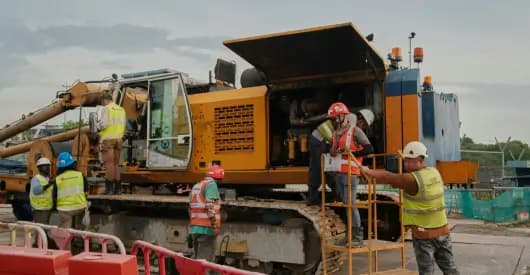
Construction equipment plays a vital role on every jobsite. From bulldozers to cranes, these machines are the backbone of project execution.
However, when maintenance is poorly managed, even the best equipment can become a liability. Breakdowns lead to costly delays, repair bills, and safety concerns.
Many contractors struggle with tracking equipment use, scheduling timely service, or maintaining organized records. These gaps in management reduce efficiency and make it harder to stay on budget.
Construction management software is changing that. With better tools, companies can gain visibility into equipment performance, automate maintenance, and make smarter decisions across every phase of a project.
What is Construction Management Software?
Construction management software (CMS) is a digital solution that helps streamline complex workflows in the construction industry.
It combines scheduling, budgeting, file management, compliance tracking, and team communication into a single easy-to-use system.
While CMS platforms are best known for managing pay apps or RFIs, many also include features that support equipment tracking and maintenance.
These tools help contractors stay proactive with servicing, reduce breakdowns, and extend the life of expensive machinery.
The right software provides more than just a record. It creates a system for accountability, transparency, and long-term savings.
5 Challenges in Equipment Maintenance Without Software
Managing equipment manually creates a number of problems that can quietly eat into time, money, and project efficiency. Without the right tools, maintenance often becomes reactive instead of preventive.
Here are some challenges that contractors face:
- Unplanned breakdowns: When equipment fails suddenly, it can stall progress, delay crews, and increase labor and rental costs. These breakdowns often stem from missed inspections or inconsistent service tracking.
- Manual recordkeeping: Teams may use spreadsheets, paper logs, or memory to track maintenance. This makes it hard to know when a machine was last serviced, what parts were replaced, or what issues have been reported in the past.
- Scheduling maintenance: Without alerts or a central calendar, important checkups can be forgotten or delayed. Over time, this can reduce the lifespan of equipment and lead to costly repairs that could have been avoided.
- Contractors often don’t have a clear view of how equipment is used, maintained, or when it should be replaced. This makes it harder to plan replacements or justify investments.
- Managing spare parts becomes inefficient: Without tracking tools, teams may run out of critical components or spend time hunting for what they need. These delays can hold up work and lead to unnecessary downtime.
A Deloitte report found that poor maintenance strategies can reduce asset availability by up to 20 percent and increase costs by 10 percent. These challenges are not just operational; they are financial risks.
You can also read: 4 Ways Construction Management Software Boosts Productivity.
6 Ways Construction Management Software Helps with Equipment Maintenance
1. Real-Time Equipment Tracking
Construction equipment often moves between job sites, making it difficult to keep track of usage, location, and performance.
With real-time tracking features, construction management software helps teams stay aware of where each machine is and how it’s being used.
By using GPS-enabled tracking, teams can quickly check if equipment is on the right site, identify underused machines, or spot signs of misuse.
This added visibility helps reduce theft, improve accountability, and ensure assets are being used efficiently.
For example, a project manager overseeing multiple crews can monitor equipment usage across sites in a single dashboard.
This reduces the need for constant phone calls or site visits and makes it easier to reallocate resources where they’re needed most.
Knowing where your equipment is at all times leads to better planning, faster decisions, and fewer costly mistakes.
2. Automated Maintenance Scheduling
Preventive maintenance is one of the most effective ways to avoid equipment failure, but it’s easy to overlook without the right system in place.
Construction management software can automate this process by setting up maintenance schedules based on hours of use, mileage, or time intervals.
Instead of relying on someone to remember when to service each piece of equipment, the software sends timely alerts so nothing slips through the cracks.
These reminders help teams stay ahead of breakdowns and reduce emergency repairs that can derail a project.
For instance, a contractor managing a fleet of excavators can schedule oil changes every 300 hours.
Once that threshold is reached, the system notifies the team, ensuring the service happens on time. This reduces wear and tear, helps machines stay in better shape, and lowers the chances of costly delays.
Research from McKinsey shows that smart tracking and preventive care can lower maintenance costs by as much as 40 percent.
3. Centralized Equipment History Logs
Keeping a detailed service history is essential for managing equipment over the long term.
With construction management software, teams can store all maintenance records in one place, making it easy to track repairs, inspections, and part replacements.
Instead of searching through folders or spreadsheets, users can pull up a complete timeline for each machine. This includes who performed the last service, what issues were found, and whether any parts were replaced.
This type of recordkeeping is especially helpful during audits or resale evaluations. Buyers want to know how well equipment has been maintained, and having clean, organized logs can add value during negotiations.
It also improves accountability. If a piece of equipment breaks down repeatedly, teams can look back through the history to identify patterns, check for missed services, or confirm whether repairs were done correctly.
4. Inventory and Spare Parts Management
Delays often happen when the right part isn’t available at the right time. Construction management software helps avoid this by keeping a close watch on spare parts inventory.
Instead of manually checking shelves or relying on memory, teams can track what parts are in stock, what’s been used recently, and what needs to be reordered.
This level of visibility helps avoid last-minute scrambles or downtime caused by missing components.
For example, if a bulldozer requires a specific hydraulic filter every 500 hours, the software can alert the team when stock is low or when it’s time to reorder. This ensures parts are on hand before they are needed.
You can also read: Construction Project Management: Manual Workflow vs. SuperConstruct.
5. Downtime Analysis and Reporting
Knowing that equipment failed is one thing. Understanding why it failed is what helps prevent it from happening again.
A construction management platform gives teams the ability to track downtime events, analyze root causes, and generate detailed performance reports.
With built-in reporting tools, managers can quickly identify which machines break down most often, how long repairs take, and what those delays cost in lost time or budget. Over time, these insights reveal patterns that might otherwise go unnoticed.
By tracking downtime and repair history across all assets, companies can make smarter maintenance decisions, reduce risk, and keep projects moving more predictably.
6. Mobile Access for Field Technicians
Field technicians are often the first to spot issues, but without a fast way to log or update information, critical details can get lost.
Construction project management tools with mobile access solve this by letting crews manage equipment data right from the job site.
With a smartphone or tablet, technicians can mark tasks as complete, upload inspection photos, update maintenance records, or flag problems in real time. This
keeps everyone in the loop and ensures that service history stays accurate.
You can also read: 4 Reasons General Contractors Are Winning with Construction Tech.
Benefits of Equipment Maintenance for Construction Businesses
Using construction management software to streamline equipment maintenance leads to real results on and off the job site.
- Extend the lifespan of your equipment: Regular servicing and well-timed repairs help prevent major breakdowns and keep machines running at peak performance.
- Reduce downtime: When maintenance is scheduled in advance and tracked properly, crews spend less time waiting and more time working. This improves project timelines and helps avoid expensive delays.
- Safety and compliance: Well-maintained equipment is less likely to malfunction, which reduces the risk of injuries or accidents. Maintenance logs and inspection records also make it easier to stay compliant with safety regulations and insurance requirements.
The data gathered through maintenance tracking gives decision-makers a clearer picture of each asset’s value and performance.
With access to real-time reports, managers can plan replacements, forecast budgets, and make smarter investments based on facts, not guesswork.
All of this adds up to stronger returns. When machines last longer, break down less often, and cost less to maintain, the result is better cash flow, higher productivity, and greater ROI.
You can also read: Time Is Money: Uncovering the Hidden ROI of Construction Payment Software.
Conclusion
Construction equipment is a major investment, and keeping it in top condition requires more than just reactive repairs.
By using construction management software, businesses can take control of maintenance, reduce unplanned downtime, and make smarter decisions with accurate data.
From automated schedules to real-time tracking, these tools help teams stay ahead of problems before they turn into costly delays. They also improve communication, strengthen safety practices, and keep service records organized in one place.
If your team is still relying on spreadsheets or memory to manage equipment, now is the time to explore smarter options. Platforms like SuperConstruct make it easier to track project data, reduce risks, and focus more time on delivering quality work.
Want to learn more? Schedule a demo or explore our full list of features designed to support modern construction teams.
Frequently Asked Questions
1. How does construction management software help reduce equipment downtime?
It helps by automating maintenance schedules, sending timely alerts, and keeping service records organized. With better planning and real-time tracking, teams can catch issues early and avoid unexpected breakdowns that delay projects.
2. Can smaller construction companies benefit from this type of software?
Yes. Even small teams can save time and money by organizing maintenance, tracking equipment use, and avoiding costly repairs. Many platforms, including SuperConstruct, are scalable and designed to fit a range of project sizes.
3. What kind of data can I track about my equipment?
You can track usage hours, service history, part replacements, downtime events, inspection notes, and more. This data helps you make better decisions about when to repair, replace, or resell your assets.